
Products
Services
Resources
Selection Guides
About
Reactive Oxygen Signaling Species (ROS)
AAT Bioquest offers a comprehensive portfolio of reactive oxygen species (ROS) detection tools, including fluorogenic probes, colorimetric and fluorimetric assay kits, and specialized sensors for specific ROS analytes. These products enable researchers to measure oxidative stress markers, monitor cellular redox states, and investigate ROS-mediated signaling pathways in both live cells and biochemical assays.
ROS/RNS Target | Detection Principle | Best For | Key Products |
|---|---|---|---|
Total ROS | Fluorogenic oxidation | General oxidative stress screening | Cell Meter™ Total ROS Kits, ROS Brite™ Probes |
Hydrogen Peroxide (H₂O₂) | Peroxidase-coupled / Direct | Specific H₂O₂ quantification | Amplite® H₂O₂ Kits, OxiVision™ Green |
Superoxide (O₂•⁻) | Oxidation to fluorescent product | Mitochondrial superoxide detection | MitoROS™ 580, Cell Meter™ Mitochondrial Superoxide Kits |
Singlet Oxygen (¹O₂) | Selective reaction | Photodynamic therapy research | SO Green™ 520 Sensors |
Hypochlorite (HOCl) | Selective oxidation | Immune cell activation studies | Amplite® Hypochlorite Kits |
Nitric Oxide (NO) | Triazole formation | Intracellular/extracellular NO imaging | DAX-J2™ Sensors, DAF-FM |
Peroxynitrite (ONOO⁻) | Selective oxidation | Nitrosative stress studies | Amplite® Peroxynitrite Kit, Cell Meter™ Peroxynitrite Kits |
Cell Meter™ Total ROS Activity Assay Kits and ROS Brite™ probes provide broad-spectrum detection of reactive oxygen species including superoxide, hydroxyl radicals, and peroxides. These cell-permeable probes become fluorescent upon oxidation by ROS, enabling real-time monitoring of intracellular oxidative stress via microplate reader, flow cytometry, or fluorescence microscopy.
- Multiple fluorescence colors (green, orange, red, deep red) for multiplexing flexibility
- Cell-permeable probes requiring no wash steps
- ROS Brite™ 700 optimized for in vivo imaging applications
- Flow cytometry-optimized kits with validated protocols
- ROS Brite™ APF and HPF offer selectivity for highly reactive species (hydroxyl radical, peroxynitrite)
Hydrogen peroxide is a key reactive oxygen metabolite involved in redox signaling and oxidative stress. Amplite® H₂O₂ assay kits use highly sensitive peroxidase-coupled detection chemistry for accurate quantification in solution, while Cell Meter™ intracellular kits and OxiVision™ Green enable live-cell imaging of H₂O₂ dynamics.
- Amplite® Red substrate provides excellent sensitivity with low background
- Near-infrared option (648/668 nm) minimizes autofluorescence interference
- OxiVision™ Green sensor offers direct, peroxidase-free H₂O₂ detection
- Colorimetric kit available for labs without fluorescence readers
- Cell-permeable versions for intracellular H₂O₂ monitoring
Fig. 1
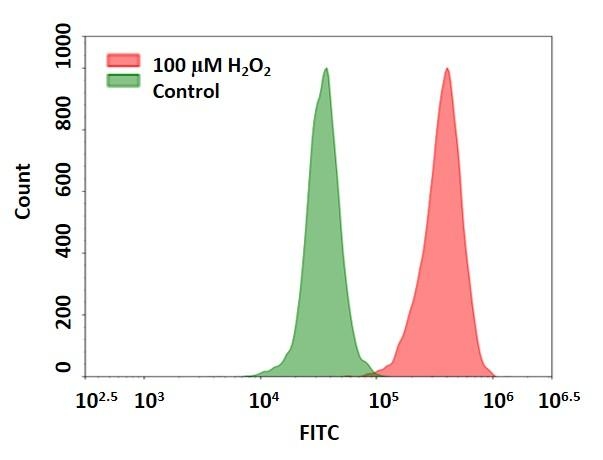
Detection of hydrogen peroxide in Jurkat cells using Cell Meter™ Intracellular Fluorimetric Hydrogen Peroxide Assay Kit (Catalog Number 11506). Jurkat cells were stained with OxiVision™ Green peroxide sensor for 30 minutes and treated with 100 µM hydrogen peroxide at 37 °C for 90 minutes. Cells stained with OxiVision™ Green peroxide sensor but without hydrogen peroxide treatment were used as control.
Mitochondria are primary sites of cellular superoxide generation during oxidative phosphorylation. MitoROS™ and MitoROS Brite™ probes selectively accumulate in mitochondria based on membrane potential, enabling compartment-specific ROS detection. These probes are oxidized by superoxide to generate fluorescent products detectable by microscopy, flow cytometry, or microplate reader.
- MitoROS™ 580 is a superior alternative to MitoSOX™ Red with enhanced specificity
- MitoROS Brite™ probes available in orange (570), red (670), and NIR (780) wavelengths
- Cell Meter™ kits include optimized protocols for flow cytometry and microplate assays
- Green fluorescent option (Catalog Number 16060) enables multiplexing with red mitochondrial markers
Fig. 2
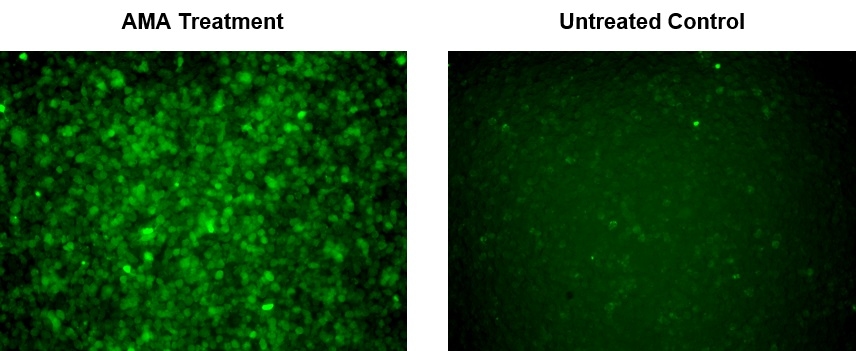
Fluorescence images of superoxide measurement in macrophage cells using Cell Meter™ Fluorimetric Mitochondrial Superoxide Activity Assay Kit Green Fluorescence Catalog Number 16060. RAW 264.7 cells at 100,000 cells/well/100 µL were seeded overnight in a 96-well black wall/clear bottom plate. AMA Treatment: Cells were treated with 5 µM Antimycin A (AMA) at 37 °C for 2 hours, then incubated with MitoROS™ 520 for 1 hour. Untreated Control: RAW 264.7 cells were incubated with MitoROS™ 520 at 37 °C for 1 hour without AMA treatment. The fluorescence signal was measured using fluorescence microscope with a FITC filter
Singlet oxygen (¹O₂) is a highly reactive excited state of molecular oxygen generated during photodynamic processes. SO Green™ sensors are designed specifically for singlet oxygen detection with high selectivity, making them valuable tools for photodynamic therapy (PDT) research and photochemistry studies.
- High selectivity for singlet oxygen over other ROS
- Cell-permeable (520AM) and water-soluble (520WS) versions available
- Green fluorescence compatible with standard FITC filter sets
Hypochlorous acid (HOCl) is a potent antimicrobial ROS produced by myeloperoxidase in activated neutrophils and macrophages. Amplite® hypochlorite assay kits enable quantification of this reactive species in immune cell studies.
Fig. 3
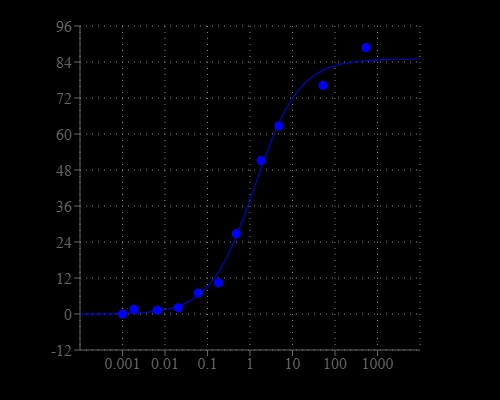
SOD dose response was measured with Amplite® Colorimetric Superoxide Dismutase Assay Kit in a 96-well white wall/clear bottom plate with a Spectrum Max microplate reader (Molecular Devices).
Traditional ROS-sensitive probes such as DCFH-DA and dihydrorhodamine 123 remain widely used for general oxidative stress detection. These probes are oxidized to fluorescent products by various ROS including H₂O₂, hydroxyl radicals, and peroxynitrite. Additionally, thiol-reactive bimane probes (mBBr, mBCl) detect glutathione and other cellular thiols that serve as antioxidant defenses.
Lipid peroxidation is a chain reaction initiated by ROS attack on polyunsaturated fatty acids in cell membranes. It generates reactive aldehydes like malondialdehyde (MDA) and serves as a biomarker for oxidative membrane damage. OxiVision™ sensors directly detect lipid peroxides, while Amplite® MDA kits quantify this end-product of lipid peroxidation.
- OxiVision™ Lipid Peroxide Sensors provide direct, real-time imaging of membrane peroxidation
- Ratiometric and mitochondria-targeted versions available for specialized applications
- Bodi Fluor™ 581/591 C11 undergoes spectral shift upon oxidation for ratiometric measurement
- Amplite® MDA kits offer high sensitivity for quantifying lipid peroxidation end-products
- Enhanced selectivity MDA kit reduces interference from other aldehydes
Antioxidant capacity and superoxide dismutase (SOD) activity can be measured using Amplite® enzyme assay kits to assess cellular defense mechanisms against oxidative stress.
- Amplite® SOD kits available in standard and enhanced sensitivity formats
- Antioxidant activity kit measures total radical scavenging capacity
- Both colorimetric and fluorimetric detection options available
Nitric oxide is a critical signaling molecule involved in vasodilation, neurotransmission, and immune responses. DAF (diaminofluorescein) and DAX-J2™ probes react with NO to form fluorescent triazole products. DAX-J2™ sensors represent AAT Bioquest's next-generation NO detection technology with improved spectral properties and expanded color options.
- DAX-J2™ Orange, Red, and IR provide superior brightness and photostability compared to classic DAF probes
- DAX-J2™ Ratio 580/460 enables ratiometric NO measurement for quantitative studies
- DAF-FM offers improved pH stability over original DAF-2
- Diacetate (DA) versions are cell-permeable for intracellular NO imaging
- Cell Meter™ kits optimized for both microplate and flow cytometry applications
Peroxynitrite is a potent oxidizing and nitrating agent formed from the reaction of superoxide with nitric oxide. It plays important roles in nitrosative stress and is implicated in neurodegenerative diseases and inflammation. Amplite® and Cell Meter™ peroxynitrite assay kits utilize selective fluorogenic probes that react specifically with ONOO⁻.
- High selectivity for peroxynitrite over other ROS
- Green fluorescence output compatible with standard FITC filter sets
- Flow cytometry-optimized kit available for single-cell analysis
This document (01.0231.251203r1) was last updated on Sat Feb 28 2026. All trademarks and registered trademarks mentioned herein are the property of their respective owners.
Reactive Oxygen Signaling Species (ROS)