
Products
Services
Resources
Selection Guides
About
Purified Mouse Anti-human p53 (pS392) Antibody
FPS392; FP3.2 , monoclonal
Cellular tumor antigen p53 is a protein with a molecular weight of 44 kDa, expressed in the site of double-strand break, nucleoplasm and cytosol of cells. Sequencing of cellular tumor antigen p53 has shown it contains 4 types of conserved structural units: TAD2, P53, P53tetramer and P53TAD domain. Cellular tumor antigen p53 is thought to be essential to tissue remodeling, cellular senescence and mitochondrial membrane permeability involved in apoptotic process, and moreover, binds to metal ion, MDM2/MDM4 family protein and chromatin. Cellular tumor antigen p53 is an integral part of organismal processes, for instance, mitotic cell cycle arrest, embryonic organ development and determination of adult lifespan. Cellular tumor antigen p53 plays a role in the upregulation of histone deacetylation, peptidyl-tyrosine phosphorylation and cardiac muscle cell apoptotic process. It also inhibits DNA replication, glucose catabolic process to lactate via pyruvate and mitophagy. Cellular tumor antigen p53 is the subject of comprehensive study in part because of the fact that it plays a role in the intrinsic apoptotic signaling pathway in response to hypoxia, regulation of intrinsic apoptotic signaling pathway by p53 class mediator and transforming growth factor β receptor signaling pathway, and it also has been associated with essential functions such as histone deacetylase regulator activity.
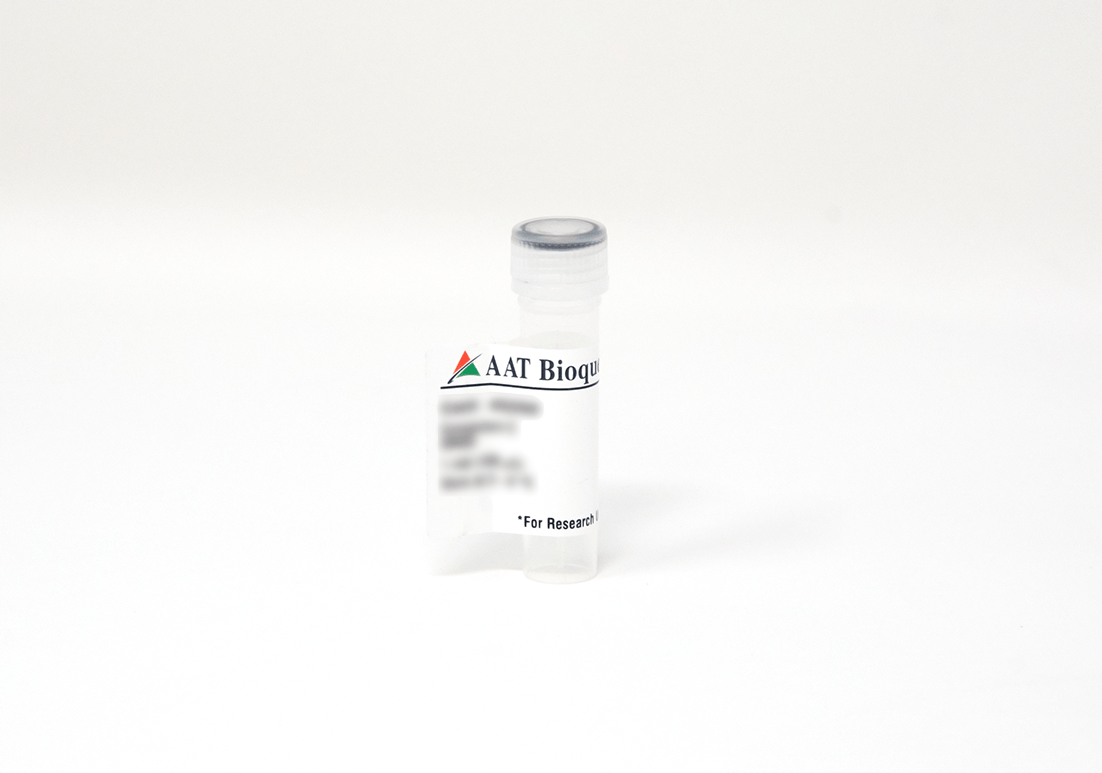

| Catalog | Size | Price | Quantity |
|---|---|---|---|
| V1031955 | 0.1 mg | Price |
Antibody properties
| Clone | FP3.2 [FPS392] |
| Host | Mouse |
| Reactivity | Human |
| Application | Western Blot, IHC(P) |
Usage and storage
| Intended use | Research Use Only (RUO) |
Contact us
| Telephone | |
| Fax | |
| sales@aatbio.com | |
| International | See distributors |
| Bulk request | Inquire |
| Custom size | Inquire |
| Technical support | Contact us |
| Request quotation | Request |
| Purchase order | Send to sales@aatbio.com |
| Shipping | Standard overnight for United States, inquire for international |
Page updated on September 18, 2026